Ports
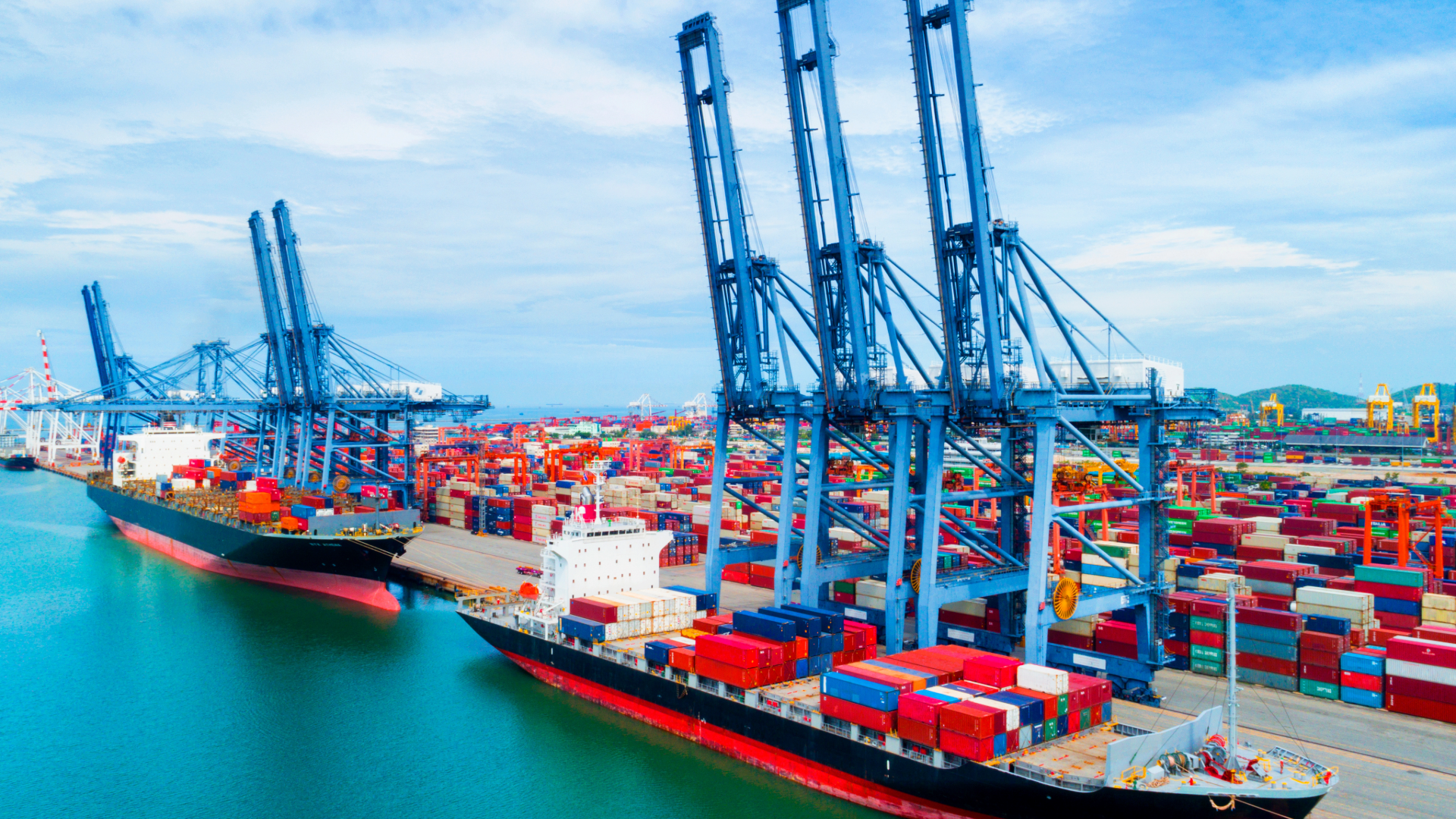
Support for seaport facilities, cargo operations, terminal projects, and maritime security programs.
What We Handle on Port Programs.
Seaports run around the clock, and construction has to work around vessel calls, cargo movement, and federal security requirements. Coordination failures show up immediately as berth conflicts and cargo sitting where it should not be.
Terminal Project Coordination
On site coordination for wharf, yard, and terminal work around active cargo operations.
Access and Credentialing Support
Coordination of credential requirements, escort arrangements, and restricted area access for project personnel.
Compliance Documentation
Assembly and tracking of security plan documentation, daily reports, and submittal packages.
Vendor Coordination
Scheduling across subcontractors, marine contractors, and equipment deliveries timed to vessel schedules.
Landside Logistics Support
Coordination of gate access, truck routing, and laydown areas during construction.
Schedule and Task Tracking
Progress tracking and reporting aligned to port operations and tenant commitments.
From the Berth to the Gate.
Port infrastructure is judged in vessel turns and gate moves. These are the assets a terminal project has to thread between without stopping either one.
Wharves and Berths
Waterfront structures repaired around vessel calls and berthing windows.
Container Yards
Stacking areas and ground slots where layout changes ripple through operations.
Cranes and Cargo Equipment
Ship to shore and yard equipment on maintenance cycles measured in moves.
Terminal Gates and Queuing
In gates, out gates, and queue lanes that set the pace of the landside.
Warehouses and Transit Sheds
Covered storage supporting breakbulk, project cargo, and cold chain.
Access Control Points
Credential checkpoints controlling entry into regulated port areas.
Perimeter Security
Fencing, lighting, and surveillance across the regulated facility boundary.
Cruise Terminals
Passenger buildings turning thousands of guests on tight sailing schedules.
Rail and Intermodal Connections
On dock rail and transfer facilities linking the berth to the network.
Shore Power and Reefer Infrastructure
Electrical systems feeding refrigerated cargo and berthed vessels.
Harbor and Channel Structures
Bulkheads, revetments, and aids sitting where water meets the terminal.
Fueling and Bunkering Areas
Designated transfer areas operating under layered safety requirements.
Built to Work Around Live Cargo Operations.
We come in alongside the port authorities, operators, and primes already delivering terminal work and take on the coordination that keeps construction from colliding with commerce.
Florida operates one of the busiest port systems in the country, handling cargo and cruise traffic on both coasts with hurricane season written into every operating plan. We are based here and built for that pace.
- Seaport authorities and port districts
- Terminal operators
- Marine construction and engineering primes
- Cargo and logistics operators
- Federal maritime and security agencies
- Cruise line facility operators
Three Ways to Bring Us Onto the Program.
Prime Contractor Teaming
Join your team on a port pursuit as a named partner, with defined scope and a clear division of responsibility before award.
Subcontracting
Take a support scope under your prime contract and keep credentialing, gate logistics, and daily records moving around the vessel schedule.
Direct Project Support
Contract with us directly as a port, terminal, or agency for coordination and documentation support on a specific program.
Talk to Us About Your Port Program.
Tell us about the project, the agency, or the teaming need. We respond quickly and come prepared.